

The Manufacturing Process of Wire Harnesses
Comments Off on The Manufacturing Process of Wire HarnessesWire harnesses consist of bundles of wire, cable, or subassemblies, combined with other conductive materials, and they are used to transmit electricity in various applications. The bundling of these components makes it easier to install electrical components for signaling or power transmission. In addition, other benefits of using wire harnesses include increased productivity, lower costs, and improved safety by minimizing trip hazards and wire damage.
What Are Wire Harnesses Used for?
A wire harness, also known as a wiring assembly or cable harness, groups multiple wires, cables, or subassemblies to supply electrical power or transmit signals in many applications.
Wire harnesses have multiple applications and uses that make them suitable for many industries. A few of the main markets that use wire harnesses include the medical, military, and industrial industries. The transportation industry also frequently uses them in automobiles, trucks, buses, and planes. Other applications include industrial equipment, construction machinery, household appliances, and electronics.
The Manufacturing Process of Wire Harnesses
The wire harness manufacturing process ranges from basic to complex, depending on the end product. While it can be challenging, time-consuming, and task-oriented, a streamlined manufacturing process helps maintain efficiency and quality with each wire harness. The following is a breakdown of the different steps of the process and what they entail:
Design
While wire harnesses often appear simple, a clear, accurate design phase is critical to setting production and the manufacturing process up for success. This stage may involve choosing harness components, specifying different colors to identify specific wires, specifying all wire and cable lengths, and various other details.
Prototyping
Following the design stage, prototyping takes place. This entails developing a physical product based on the chosen design specifications. In the process, manufacturers can identify areas for improvement and determine how to approach the rest of the manufacturing process. This helps ensure optimal quality and process performance before beginning the first production run.
Production & Assembly
During production and assembly, manufacturers must meet design specifications and make sure the end product meets quality standards with minimal risk of errors. The production process still heavily relies on manual assembly even as manufacturing becomes increasingly automated.
Throughout this stage, manufacturers typically complete three main steps:
- Wire Cutting — The first step in the production phase involves cutting wires to their designated lengths using a wire-cutting machine.
- Stripping and Connections — After cutting, the next step entails stripping the wire ends to expose their cores, which allows for the attachment of connector housings, terminals, or modules.
- Assembly — The last step is the wire harness assembly process, which involves putting together the wire harness using an assembly board or workbench to put the final product together based on design specifications.
Testing
Following the core manufacturing process, manufacturers test the end product for quality assurance purposes. If the product meets quality and performance standards, the manufacturer ships the final product to the client.
Top-Quality Wire Harnesses from Electro-Prep
Various applications require reliable wire harnesses for transmitting electricity/data. If you’re in need of a wire harness for your application, Electro-prep can manufacture custom wire harnesses based on your unique requirements.
To learn more about our wire harness manufacturing capabilities, contact us today. If you would like to get started, request a quote from us and we’ll connect you with one of our experts.
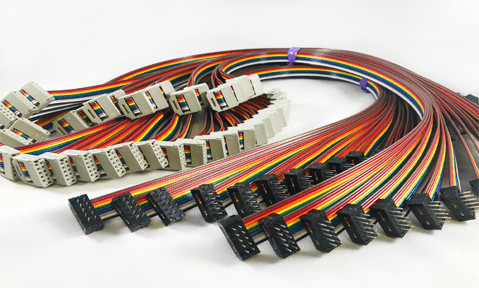 Ribbon cables are available in a few different styles and configurations. The most popular types from most common to least common are:
 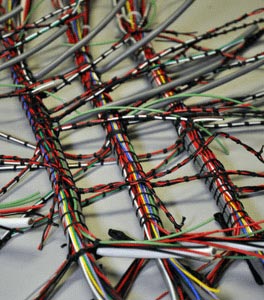 Wire Harness vs. Cable Assembly: Similarities
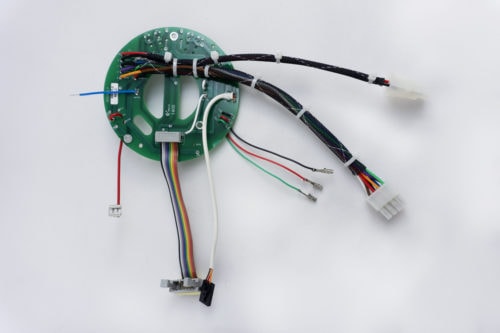 In addition to wire harnesses and subassemblies, Electro-Prep, Inc. is also a trusted provider of “spider board assemblies” to a DOD contractor.
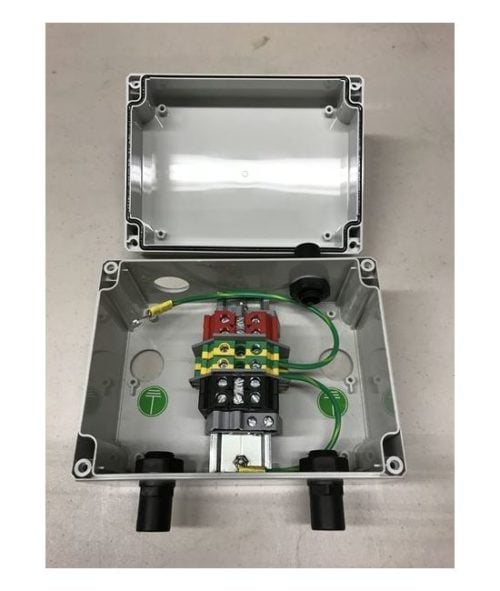 Electro-Prep supplies junction boxes for a multinational company in the water purification industry. This company originally approached us for a turnkey electromechanical assembly solution. We worked closely with them to engineer an electromechanical box-build
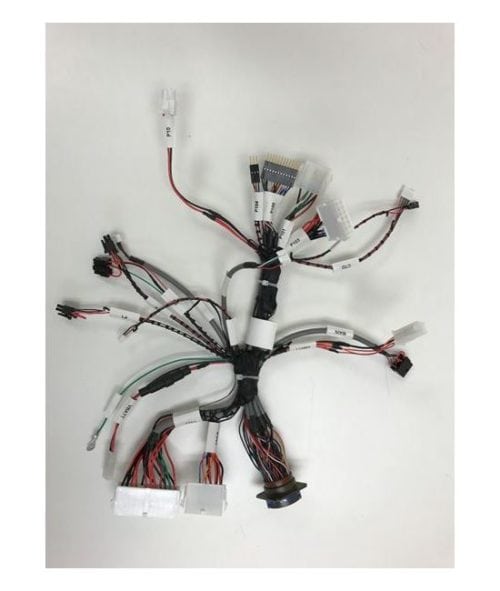 Electro-Prep improved product production and assembly time for a marine industry manufacturer that produces a wide array of unmanned underwater vehicles (UUVs). We developed a solution for binding and combining wires into a single harness, streamlining the vehicle’s wiring process while complying with industry performance and safety standards.
 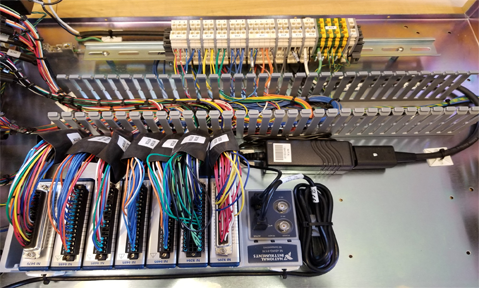 While box-builds can vary significantly based on the components involved and the complexity of the final product, most processes follow the same basic steps. These steps are:
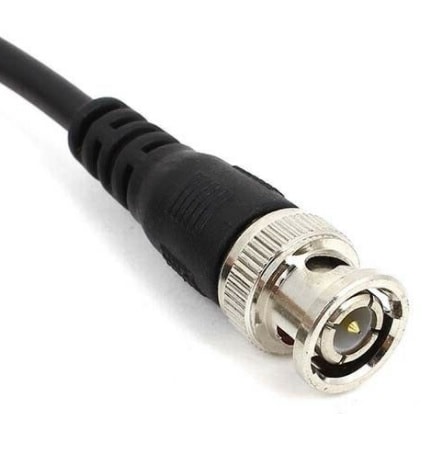 Bayonet Neill-Concelman (BNC) coaxial cable connectors are one of the most commonly used connector types. They feature a twist and snap bayonet connection design that requires a quarter-turn to form a connection.
 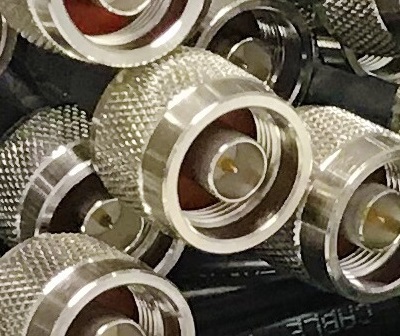 Threaded Neill-Concelman (TNC) connectors are a miniature threaded variation of BNC connectors. However, they are waterproof and more rugged.
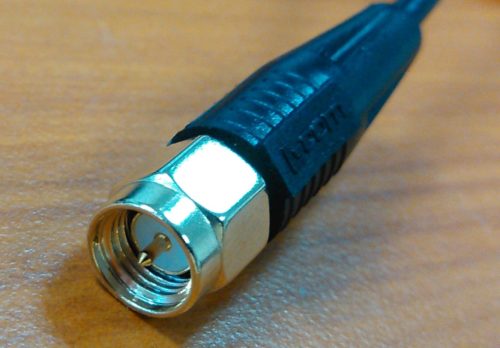 Subminiature Version A (SMA) connectors are 50 Ω connectors. They are available in several formats, including male vs. female, straight-through vs. right-angled, and more.
 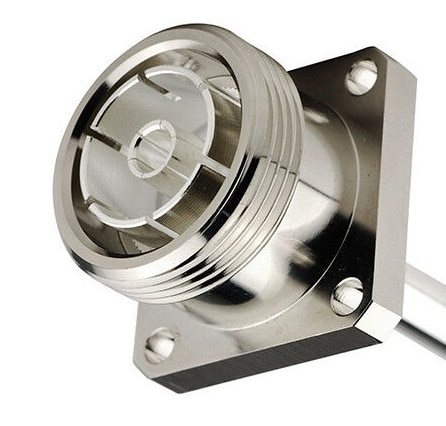 7/16 DIN (Deutsches Institut für Normung) connectors have a threaded design. They are typically used for high-wattage transmissions.
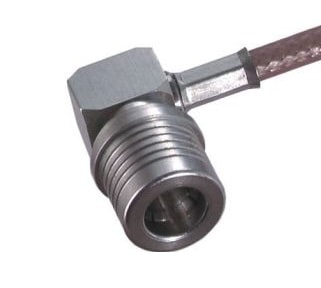 QMA connectors are similar to SMA connectors. However, they have a snap-lock design that allows for faster and easier connection/disconnection and 360° rotational capabilities after connection that allows for better installation flexibility.
 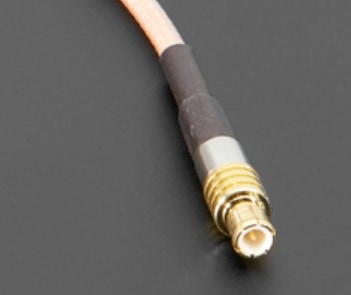 Micro coaxial (MCX) connectors are small form-factor connectors. They are designed for use in applications with size or space limitations.
 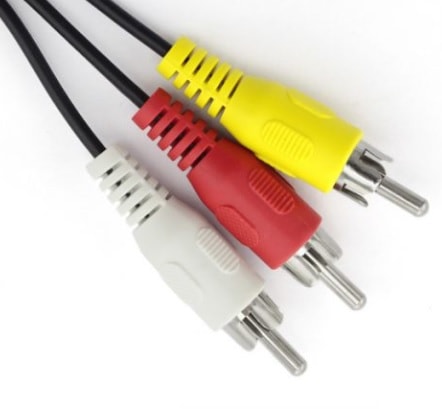 Radio Corporation of America (RCA) connectors are also known as cinch connectors. They typically feature three color-coded jacks and plugs (Red, Yellow, and White).
  A
A